
Spring, Bees, Fear, Science
The Thing About Bees
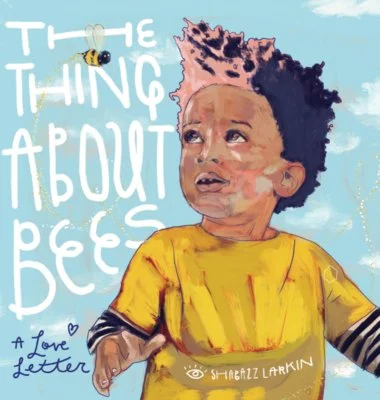
Buy the book @ Bookshop
This book does something clever: it takes a narrator who is genuinely scared of bees and leads them (and the reader) through curiosity to appreciation. It's a wonderful model for how to handle fear. Not by dismissing it, but by learning more. The facts woven throughout are accurate and fascinating, and the illustrations are gorgeous. Perfect for spring and for any child who has ever been nervous about an insect.
Discussion Questions
- What is something you learned about bees that you didn't know?
- Is there something YOU used to be scared of that doesn't bother you as much now?
- Why are bees so important to flowers, fruits, and vegetables?
Supplies
- A pre-drawn flower scene on white paper (or draw one together)
- Yellow and black washable paint
- Small pieces of tissue paper for wings
- Black marker
- Glue
Steps
- Look at pictures of real bees together first — notice the stripes, the wings, the fuzzy body.
- Dip a finger in yellow paint and press onto the paper. That's the bee body!
- Let dry a little, then use a black marker to add thin stripes across the body.
- Draw tiny legs and a stinger with the marker.
- Cut or tear tiny oval shapes from tissue paper for wings and glue them on.
- Add as many bees as you want — a whole swarm if the mood strikes!
- Add flowers and trees around the bees and talk about the connection to the bees.
- If your child is nervous about bees in real life, this is a great activity to do alongside reassurance. Bees that are not bothered almost never sting.
- Talk about pollination in simple terms: bees carry pollen from flower to flower, which helps plants make fruit and seeds. Without bees, a lot of our food wouldn't grow!
Extensions
- Plant flower seeds together, even in a small pot on a windowsill. Connect it back to why bees need flowers.
- Hexagons are everywhere in a beehive! Look at images of honeycomb together, then try drawing or stamping hexagon patterns.
- Make a class or family list of things we were once scared of that turned out to be okay. Normalize being brave.